
Avoid These 5 Costly Mistakes in Nashville Investment Property Renovations

Nashville is no longer a "hidden gem" for real estate investors: it is a full-blown powerhouse. For Asset Managers overseeing portfolios, scattered-site rentals, multifamily assets, or value-add strategies, that means renovation decisions carry direct implications for NOI, lease velocity, tenant retention, and long-term property valuation. Whether you are repositioning a multi-family asset near Germantown, planning tenant improvements for an occupied building, or managing capital expenditures across a corporate portfolio in Hendersonville, the stakes in 2026 are higher than ever.
As a professional investment property renovation Nashville partner, we understand that asset management is not about simply "fixing things." It is about deferred maintenance mitigation, scope discipline, compliance, and executing improvements that support stronger asset performance. We have stepped into projects halfway through when fragmented vendor management created delays, and we’ve helped owners and Asset Managers recalibrate when their budget did not fully account for Metro Nashville’s permitting requirements or hidden building conditions.
Success in the Music City real estate market is not just about acquiring the right property; it is about strategic renovation execution that protects basis and drives value. If you want to strengthen ROI and avoid preventable disruptions to your business plan, you need to avoid these five common: and expensive: mistakes.
1. The "Dream Home" Trap: Over-Improving for the Neighborhood
It is easy to get carried away. You see a beautiful tile pattern or a smart-building upgrade and think, "The tenants will love this!" While that may be true, the better question for an Asset Manager is: Will this improvement support rent growth, retention, or measurable valuation gains?
One of the most frequent mistakes we see at INEX Renovation Facilitators is ownership groups or operators treating an income-producing asset like a custom design project instead of a performance-driven investment. In Nashville’s diverse submarkets, overcapitalizing a unit mix or common area can be just as damaging to asset performance as under-investing in necessary upgrades.
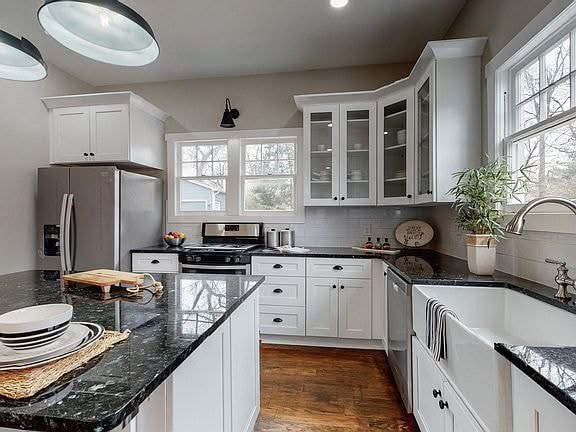
For instance, installing $15,000 Italian marble countertops in a rental unit located in an area where the median rent is $1,800 is rarely a value-accretive decision. In that price band, residents typically prioritize clean, durable, and functional living spaces over finishes that inflate turnover risk and replacement cost.
How to avoid it:
Benchmark the Competitive Set: Walk comparable assets and review current rent comps within the immediate submarket. Your goal is to position the property competitively for absorption and renewals, not to create a finish level the market will not support.
Prioritize Durable, Scalable Specifications: Select mid-grade materials that present well, reduce maintenance exposure, and hold up under repeated turns. Luxury vinyl plank (LVP), for example, often outperforms easily scratched hardwood in rental environments.
Align Scope With the Business Plan: Whether the objective is tenant retention, faster leasing, or a future disposition, every finish and scope item should support the broader asset strategy.
2. Cutting Corners on Metro Nashville Codes and Permits
Nashville isn’t the Wild West. Metro Nashville and Davidson County have rigorous building codes and a permit process that can create serious operational and financial exposure when mishandled. Some investors try to save a few thousand dollars by skipping permits for electrical, plumbing, or structural changes. For Asset Managers, that shortcut can quickly become a liability event.
This is a mistake that can haunt an asset for years.
If work is performed without a permit and a neighbor reports the activity, or a future buyer’s inspector identifies unpermitted scope, you could face:
Stop-Work Orders: Bringing your project to a halt while fines accumulate and schedules slip.
Deconstruction: Tearing out finished work so inspectors can verify concealed electrical, plumbing, or framing conditions.
Insurance Denials: If a loss event is tied to unpermitted work, coverage may be challenged or denied.
Disposition Risk: Compliance issues can surface during due diligence and negatively affect valuation, lender confidence, or exit timing.
In 2026, the Nashville Codes Department is more tech-savvy than ever. They track property transfers and renovation timelines closely.
The INEX Solution: When you work with a professional Nashville general contractor, we help manage the compliance side of the project so your renovation supports—not jeopardizes—asset value. We ensure every nail, wire, and pipe meets local standards, reducing risk and protecting long-term resale and operational performance.
3. The Budget Mirage: Underestimating Labor and "Hidden" Costs
If your budget does not include a contingency for unknowns, it is not a fully underwritten renovation budget.
In the current 2026 economic climate, labor costs in Middle Tennessee have remained high due to the constant demand for new construction. Additionally, material price volatility means the quote you got in March might not hold up in June.
Asset Managers often need to account for:
Carrying Costs and Revenue Loss: Every month the project drags on can mean additional debt service, taxes, insurance, utilities, and delayed lease-up or reduced occupancy.
Deferred Maintenance Discovery: Once walls, ceilings, or flooring are opened, hidden issues like outdated wiring, plumbing deterioration, or moisture damage can materially affect scope.
Inspection and Scheduling Delays: If the city is backed up or a trade sequence slips, idle time directly impacts turnover schedules and asset performance.
Tenant Improvement Adjustments: In commercial or mixed-use settings, field conditions and tenant requirements can create scope revisions that must be managed quickly and clearly.
Pro Tip: Always build a 10-15% contingency buffer into your renovation budget. As the old construction saying goes, "You make your money on the buy, but you keep it in the scope." A realistic contingency helps you mitigate deferred maintenance surprises without derailing the project.

4. The "Too Many Cooks" Syndrome: Hiring Multiple Uncoordinated Contractors
Many investors think they can save money by acting as their own project manager. They hire a low-cost painter from one app, a plumber from a Facebook group, and a flooring installer recommended by a friend.
Then the coordination breakdown begins.
The painter shows up, but the drywall is not finished. The plumber cannot get in because the flooring installer changed the locks and forgot to tell anyone. Each contractor blames the other for delays, and the Asset Manager is left absorbing the time loss, reporting delays to ownership, and watching turnover or renovation schedules slip.
As we like to say, you do not just need workers; you need a facilitator.
Choosing a "one-stop-shop" like INEX Renovation Facilitators means you have one point of contact. We manage the timeline, the crews, and the quality control. That matters when you are executing deferred maintenance mitigation, unit turns, common-area upgrades, or tenant improvements across active assets and need predictable delivery.
"Efficiency is the difference between a profitable flip and a break-even headache. You need a team that speaks the language of both construction and ROI."
5. Failing the "Tennessee Timing" Test: Ignoring Seasonality
Nashville real estate has a rhythm. If you finish a major rental renovation in mid-December, you may be delivering units during one of the slowest leasing windows of the year. Most residents do not want to move during the holidays or in the middle of a Tennessee winter.
Conversely, if you miss the "Spring Rush": when families and young professionals are actively looking to move before the new school year or fiscal quarters: your property may sit longer than expected, even if the renovation quality is strong.
Market Strategy for 2026:
Plan Backwards From Leasing or Disposition Goals: If you want units market-ready in April, your major investment property renovation Nashville project should likely begin in January or earlier.
Phase Renovations Strategically: For occupied or partially occupied assets, sequence work in a way that minimizes disruption, preserves revenue where possible, and supports absorption timing.
Use Timing to Support Valuation: Well-timed renovations can improve occupancy, strengthen rent comps, and create a more compelling story for lenders, buyers, and stakeholders.
Summary: One Call for a More Strategic Renovation
For Asset Managers, renovating an investment property in Nashville is not just a maintenance exercise. It is an opportunity to mitigate deferred maintenance, execute smart tenant improvements, improve operational performance, and strengthen overall property valuation. By avoiding overcapitalized scopes, respecting local codes, budgeting for hidden conditions, and working with a single coordinated team, you can protect returns while positioning the asset more competitively.
At INEX Renovation Facilitators, we specialize in being that single point of contact. Whether it is a simple make-ready or a full-scale residential remodel, we help owners and operators complete renovation scopes that support long-term asset performance.
Do not let preventable project issues reduce value or delay your business plan. Partner with a team that understands both construction execution and asset-level priorities.
One call, one company, multiple solutions.
Ready to start your Nashville renovation?
Get a professional estimate today and let’s turn your property into a higher-performing asset.
Contact INEX Renovation Facilitators: 📍 Address: 105 Imperial Blvd. Suite 852, Hendersonville, TN 37077 🌐 Website:inexfacilitators.com 📞 Call us: (615) 814-8127 or (615) 559-8741 🔗 Online Estimate:Book Now
Comments