
Spring Ready: The Ultimate Property Audit Checklist for 2026
- Addy

- 4 days ago
- 5 min read
As the calendar turns to mid-March, property managers and HOA board members across the region are breathing a sigh of relief. The harshest winter days are behind us, and the blooming season is just around the corner. But before you get too comfortable, it is time to face the reality of what winter might have left behind.
At INEX Renovation Facilitators, we know that spring isn't just about flowers; it’s about "damage control" and "preventative maintenance." A thorough property audit right now can save your association or portfolio thousands of dollars in emergency repairs come July.
Stan from our sales team recently noted that the most successful property managers are those who treat their spring walkthrough like a military operation: precise, documented, and proactive. To help you navigate this transition, we’ve put together the ultimate 2026 Property Audit Checklist.
1. The Roof and Gutter Defense
Your roof is your first line of defense, and winter is its greatest enemy. Between the freeze-thaw cycles and heavy Nashville rains, the integrity of your shingles and flashing can be compromised without you even noticing from the ground.
What to look for:
Shingle Health: Look for curling, cracking, or missing shingles. If you see "bald spots" where granules have washed away, the shingle is nearing the end of its life.
Flashing and Vents: Check the metal flashing around chimneys and vents. This is a common failure point for leaks.
Gutter Debris: Even if you cleaned them in the fall, winter winds often deposit more debris. Clogged gutters lead to ice dams and wood rot.
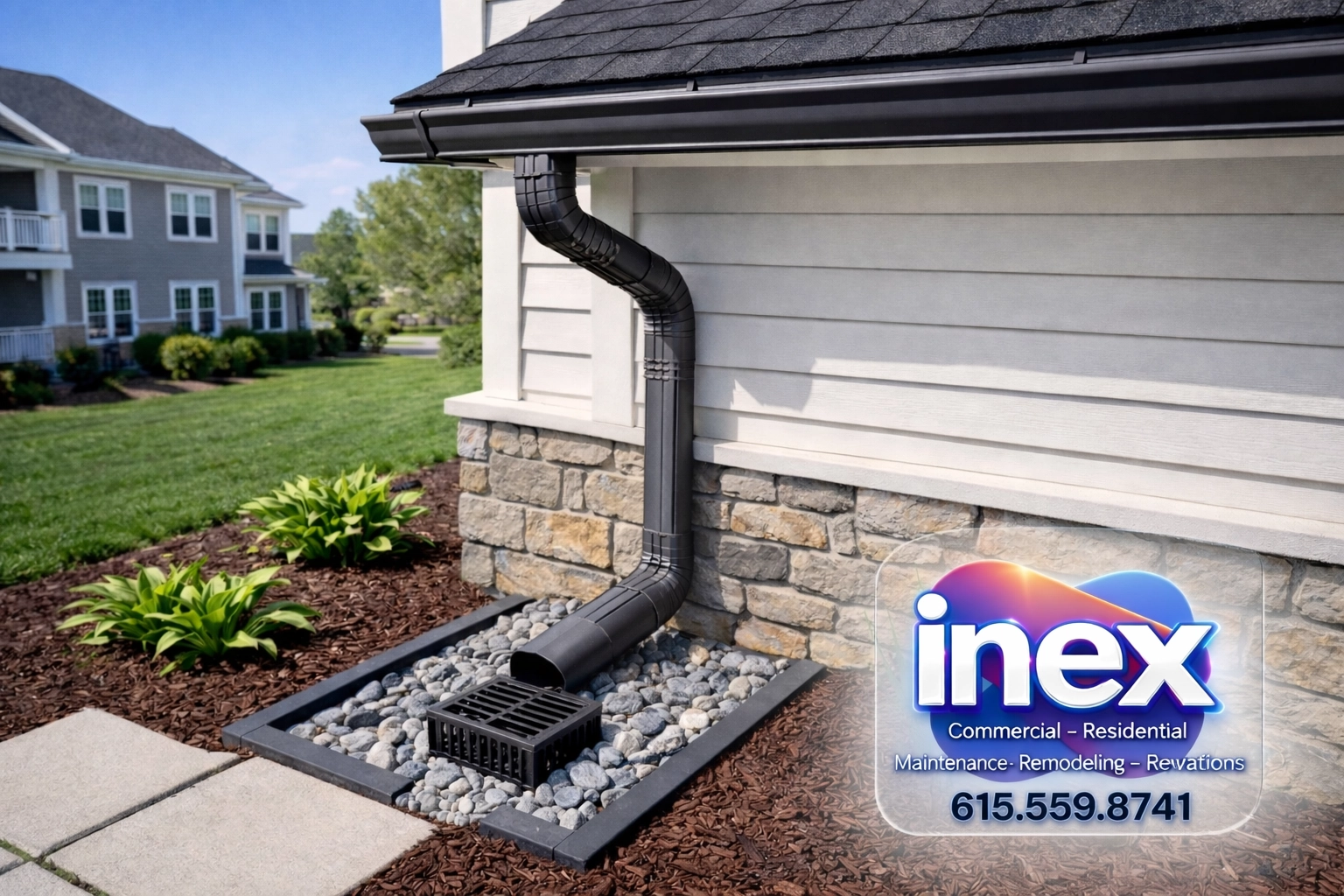
The Downspout Rule: Ensure downspouts discharge water at least 4 to 6 feet away from the foundation. According to recent industry data, nearly 35% of property owners skip this step, which is the leading cause of basement seepage and foundation settling.
2. Foundation and Drainage Assessment
Once the snow melts and the ground thaws, water needs a place to go. If your property isn't graded correctly, that "place" will be your crawlspace or basement.
The "Dime Width" Rule: When walking the perimeter, keep a dime in your pocket. Inspect the foundation for cracks. If a crack is wider than 1.8 mm (roughly the width of a dime), it’s time for a professional assessment.
Foundation Issue | Recommended Action |
Hairline cracks (< 1.8 mm) | Monitor and seal with flexible caulk |
Cracks 1.8-6 mm | Professional assessment within 2 weeks |
Cracks > 6 mm or horizontal | Immediate structural engineer consultation |
Active water seepage | Emergency waterproofing and drainage repair |
Don't forget to check the soil grading. You want a 6-inch slope over the first 10 feet away from the building. This ensures that spring deluges don't pool against your structural walls. You can find more details on our portfolio projects page where we've handled major drainage overhauls.
3. Exterior Surfaces and Curb Appeal
First impressions are everything, especially for HOAs looking to maintain property values. Winter salt, grime, and humidity can leave buildings looking dingy and neglected.
Pressure Washing: Schedule a professional power wash for all siding, walkways, and common areas. This removes mold, mildew, and algae that thrive in the Nashville spring humidity.
Paint and Siding: Inspect for peeling paint or damaged siding. Exposed wood will rot quickly in the spring rain. A quick touch-up now prevents a full siding replacement later.
Wood Surfaces: Check decks, fences, and railings. If the wood feels soft or the paint is bubbling, moisture has moved in.

4. Landscaping and Irrigation
Spring is the time to set the stage for a lush summer. However, landscaping is more than just aesthetics; it's about protecting the building envelope.
Tree Trimming: Trim branches that are overhanging roofs or touching exterior walls. These act as "highways" for pests and can cause physical damage during spring storms.
Irrigation Audit: Turn on the sprinklers and check for cracked heads or misaligned spray patterns. Water hitting the side of a building or a window constantly is a recipe for a leak.
Debris Removal: Clear out fallen branches and dead leaves from flower beds to prevent pest nesting and allow for new growth.
5. HVAC and Interior Systems
As we transition from heating to cooling, your HVAC systems are under significant stress. A "soft start" in the spring is much better than a total failure during the first 90-degree day in June.
HVAC Tune-ups: Change filters and have a technician check coolant levels and coil cleanliness.
Safety Detectors: This is the perfect time to test all smoke and carbon monoxide detectors. Replace batteries yearly, regardless of whether they "seem" fine.
Lighting Consistency: Walk the common areas. For a professional, inviting feel, ensure all bulbs have a matching color temperature (aim for 3000K to 3500K). This small detail makes a massive difference in how tenants and owners perceive the property.

6. Windows, Doors, and Pest Prevention
The "envelope" of your building needs to be sealed tight. As the weather warms up, pests like ants and termites become active, and they are looking for the easiest way in.
Weatherstripping: Check for deteriorated seals around doors and windows. If you can see light through the cracks, air (and bugs) can get in.
Screens: Inspect window screens for tears. Tenants will want to open their windows soon, and they won't be happy if the flies come in with the breeze.
Caulking: Check the caulking around utility penetrations (where pipes or wires enter the building). These gaps are often overlooked but are primary entry points for rodents.
Why a Spring Audit is Non-Negotiable
In the words of a veteran property manager we work with, "Maintenance is always cheaper than repair." When you catch a gutter clog in March, it costs a few dollars to clear. If you wait until it causes a basement flood in May, the cost is thousands.
Managing a large portfolio or an HOA community is a massive undertaking. Documentation is your best friend. Take photos of everything: even the parts of the property that look perfect. This creates a baseline for your property archives and helps with insurance claims if a summer storm hits later in the year.
How INEX Can Help
We know that as a property manager, your "to-do" list is already five miles long. Between tenant requests and board meetings, performing a 50-point audit on every building in your portfolio can feel impossible.
That’s where we come in. Stan, our lead sales facilitator, has developed a 1-Page PDF Spring Audit Checklist specifically for our partners. It’s designed to be used on a clipboard or tablet while you walk the property, ensuring nothing falls through the cracks.
Ready to get started? You have two great options:
Download the Checklist: Reach out to Stan or Rachel to get your copy of the 1-page PDF. It’s the perfect tool for your team to use this week.
Request a Free Walk-Through: If you’d rather have an expert eye on the property, call INEX. We offer free professional walk-throughs for HOAs and property managers to help identify priority repairs and budget for the upcoming year.
At INEX Renovation Facilitators, our goal is to simplify commercial and residential services. We are your all-in-one solution for everything from pressure washing and painting to structural roof repairs and HVAC management.
Contact Us Today:
Main Office: 615-559-8741
Receptionist Rachel: 626-597-0145
Don't let the spring rains catch you off guard. Let’s get your property "2026 Ready" today. You can also explore our booking services to schedule your assessment immediately.
Summary Takeaway: A spring property audit should be completed within 3-4 weeks of the final snowmelt. Focus on the "big three": Roof/Gutters, Foundation/Drainage, and HVAC systems. By identifying small issues now, you protect the long-term value of your property and ensure a stress-free summer for your residents and owners.
For more tips on general contracting and property maintenance, visit our General Contracting blog category.
Comments