
The Investor's Guide to Capital Gain Expenditures: Maximizing ROI with Smart Remodels

If you're managing a property portfolio in Nashville or Southern Kentucky, you already know that every dollar spent needs to work harder than the last. But here's what separates amateur investors from the professionals: understanding how strategic capital expenditures can simultaneously boost property values and reduce your taxable capital gains.
At INEX Renovation Facilitators, we work with corporate investors and property management companies who don't just want a pretty renovation: they want measurable ROI and tax advantages. Let's break down exactly how smart remodeling decisions can maximize your bottom line.
Capital Expenditures vs. Capital Gains: The Basics
First, let's get our terminology straight. Capital gains are the profits you earn when selling a property for more than your adjusted purchase price. If you bought a rental property for $300,000 and sold it for $450,000, that $150,000 difference (before adjustments) is your capital gain.
Capital expenditures (CapEx) are funds used to acquire or upgrade physical assets: think new roofs, HVAC replacements, structural additions, or major system overhauls. These aren't your day-to-day maintenance expenses like fixing a leaky faucet. We're talking about improvements that extend the property's useful life or add significant value.
Here's where it gets interesting for investors: qualifying capital improvements get added to your property's adjusted basis rather than being deducted as immediate expenses. This directly reduces your taxable capital gain when you sell.
How Strategic Improvements Reduce Your Tax Burden
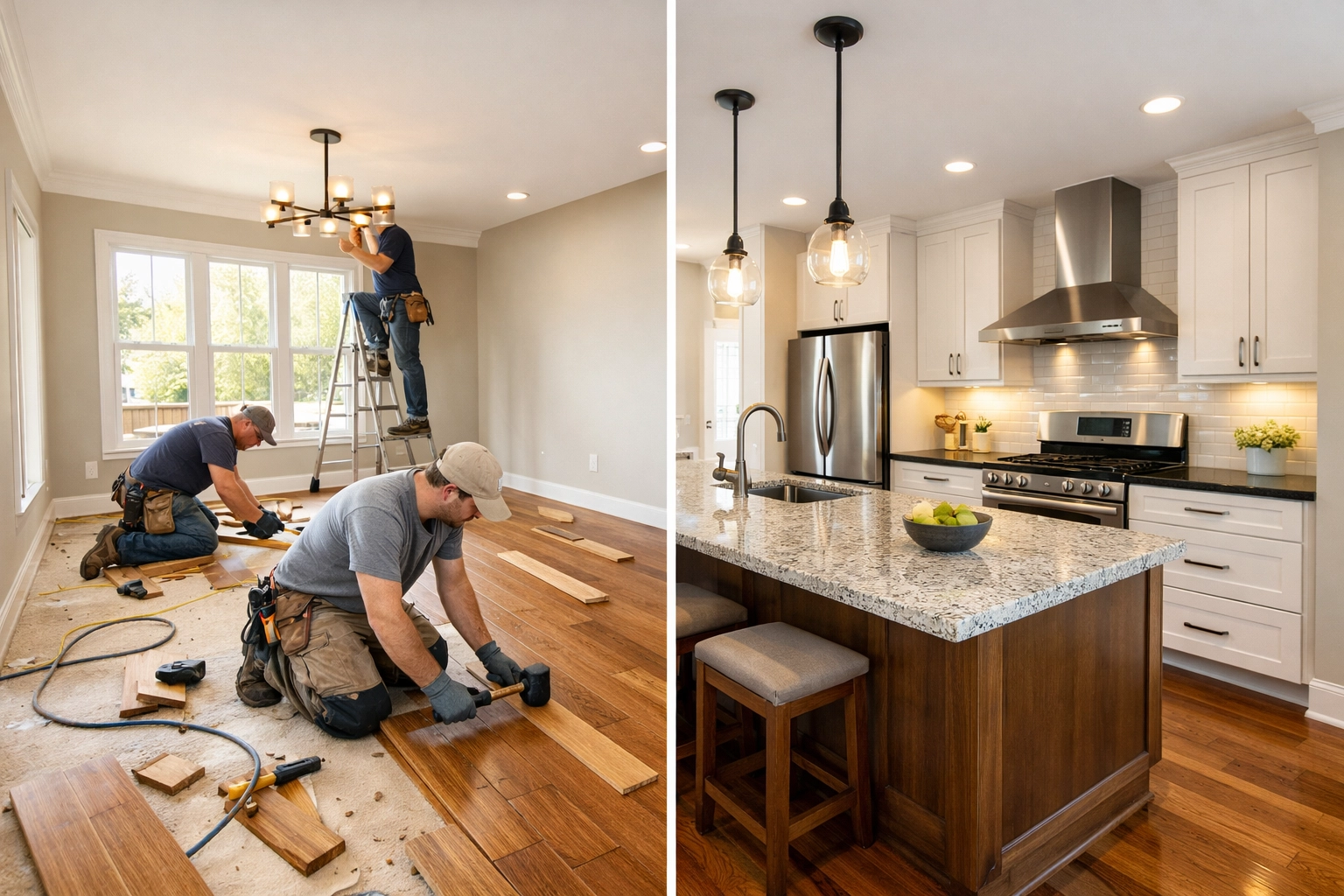
Let's walk through a real-world scenario. You purchased an investment property in Nashville for $250,000. Over the years, you invested $50,000 in qualifying capital improvements: a complete kitchen remodel, new roof, updated HVAC, and modern bathroom fixtures. When you sell for $400,000 with $25,000 in selling expenses, here's the math:
Sale Price: $400,000 Original Purchase Price: -$250,000 Capital Improvements: -$50,000 Selling Expenses: -$25,000 Taxable Capital Gain: $75,000
Without those strategic improvements, your taxable gain would have been $125,000: a $50,000 difference that could save you thousands in taxes depending on your bracket.
That's not just renovation. That's wealth preservation.
What Qualifies as a Capital Improvement?
The IRS has specific guidelines, and this is where many investors leave money on the table. Not every expense qualifies, so documentation and strategic planning are critical.
Qualifying capital improvements typically include:
Major renovations that extend the property's useful life
New roof installations or complete replacements
HVAC system upgrades
Structural additions or expansions
Complete bathroom remodels with new fixtures and plumbing
Significant electrical or plumbing system overhauls
Tenant improvements for commercial properties
Legal and closing costs directly related to improvements
What generally doesn't qualify:
Routine repairs and maintenance
Cosmetic updates like painting (unless part of a larger renovation)
Landscaping and minor curb appeal fixes
Appliance replacements (these depreciate separately)
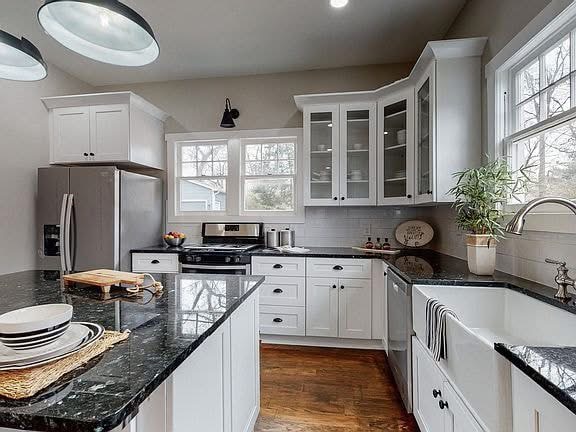
At INEX, we've worked with enough property management companies to know which renovations move the needle: both in terms of property value and tax advantages. Our remodeling services are designed with investor ROI in mind from day one.
The Depreciation Factor: A Double-Edged Sword
Here's where it gets more nuanced. If you've been claiming depreciation deductions on your rental properties (and you should be), you need to understand depreciation recapture.
Different improvements depreciate at different rates. Residential rental properties typically depreciate over 27.5 years, but certain components: like appliances or carpeting: may depreciate over shorter periods (5-7 years). This affects your after-tax profit calculation when you eventually sell.
The catch: When you sell, previously claimed depreciation is subject to a 25% recapture tax, separate from long-term capital gains taxes. This means you need to factor in both the immediate value-add of an improvement and its long-term tax implications.
This is precisely why we recommend working with both renovation professionals and tax advisors. At INEX, we can guide you on which improvements will deliver the best physical ROI, but your CPA should always be part of the conversation for tax strategy.
Smart Remodels That Maximize Investment Property ROI
Not all renovations are created equal. If you're targeting make-ready turnover for rental properties or preparing for a sale, focus on these high-impact improvements:
1. Kitchen and Bathroom Upgrades
These are the two rooms that sell or rent properties. A dated kitchen can cost you thousands in listing value, while a modern bathroom renovation typically returns 70-80% of its cost at resale.
For investor properties, we recommend durable, attractive finishes that appeal to a broad tenant base: not luxury upgrades that won't justify the rent increase.
2. HVAC and Mechanical Systems
A new HVAC system might not be sexy, but it qualifies as a capital improvement, reduces tenant complaints, and is a huge selling point for buyers. Energy-efficient systems also lower operating costs, improving your cash flow during ownership.
3. Structural Additions
Adding square footage: whether a bedroom, bathroom, or functional space: directly increases property value and qualifies as a capital expenditure. In competitive Nashville and Southern Kentucky markets, that extra bedroom can mean the difference between a $1,800/month rental and a $2,200/month rental.
4. Exterior Maintenance and Curb Appeal
While routine landscaping doesn't qualify, major exterior renovations like new siding, roofing, or structural repairs absolutely do. First impressions matter, and they directly impact both rental rates and resale value.
The INEX Advantage for Investment Properties
Property management companies and corporate investors choose INEX Renovation Facilitators because we understand the difference between spending money and investing money.
We operate as your one-stop shop for commercial and residential services, which means you're not coordinating five different contractors for a single make-ready project. Time is money, and our streamlined approach keeps your properties revenue-generating, not sitting vacant during extended renovations.
Our team has extensive experience with:
Investor make-ready renovations on tight timelines
Multi-unit property renovations
Capital improvement projects for depreciation optimization
Property maintenance services that keep your assets performing
Documentation and reporting for your tax professionals
We serve Nashville, Middle Tennessee, and Southern Kentucky: markets where smart investors are building wealth through strategic property acquisitions and improvements.

Key Takeaways for Investors
Let's bring it home:
Capital expenditures reduce your taxable capital gains by increasing your adjusted basis
Not all renovations qualify: focus on improvements that extend useful life or add significant value
Documentation is everything: keep detailed records of all improvements, invoices, and permits
Depreciation recapture is real: factor in the 25% recapture tax when calculating true ROI
Strategic timing matters: some improvements make more sense before sale, others during ownership for cash flow
The difference between a 12% ROI and an 18% ROI often comes down to strategic planning and execution. That's where we come in.
Ready to Maximize Your Property Portfolio's ROI?
Whether you're preparing properties for sale, optimizing rental assets for long-term appreciation, or managing a capital improvement budget for a corporate portfolio, INEX Renovation Facilitators delivers results that show up on both your P&L and your tax return.
Let's talk about your next project. Our team can assess your properties, recommend high-ROI improvements, and execute renovations that qualify as capital expenditures: all while keeping your timelines and budgets on track.
Call us today at (615) 559-8741 or visit inexfacilitators.com to schedule a consultation. Because in real estate investment, the smartest money isn't just spent: it's strategically deployed.
Disclaimer: This article provides general information about capital expenditures and renovations. Always consult with qualified tax and legal professionals regarding your specific situation, as tax laws vary by jurisdiction and individual circumstances.
Comments